


 |
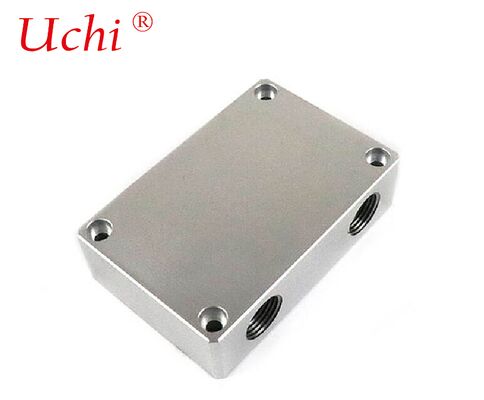
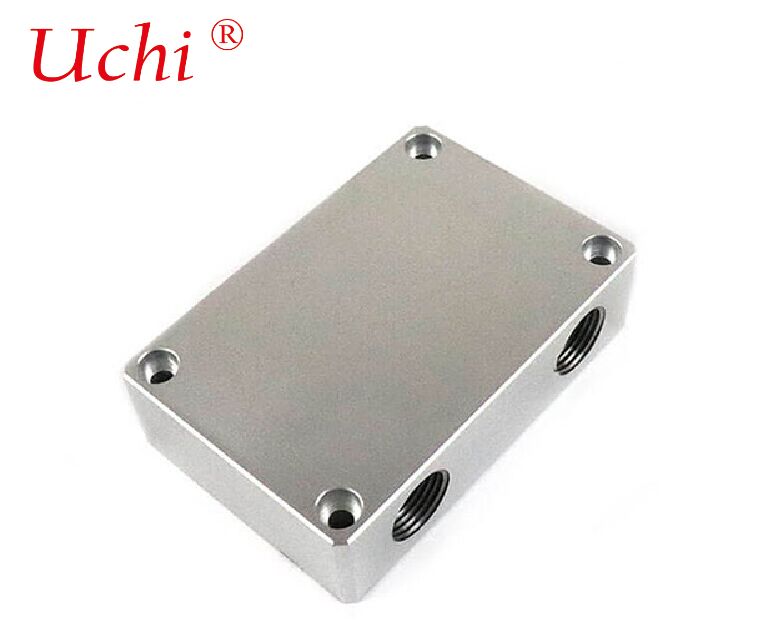
हीट एक्सचेंजर लिक्विड कूल्ड कोल्ड प्लेट कस्टम कोल्ड प्लेट्स
उत्पाद विवरण:
| उत्पत्ति के प्लेस: | डोंगगुआन, गुआंग्डोंग, चीन |
| ब्रांड नाम: | Uchi |
| प्रमाणन: | SMC |
| मॉडल संख्या: | ताप सिंक |
भुगतान & नौवहन नियमों:
| न्यूनतम आदेश मात्रा: | 100 पीसी |
|---|---|
| मूल्य: | 1300-1500 dollars |
| प्रसव के समय: | सीमित नहीं |
| भुगतान शर्तें: | टी/टी, पेपैल, वेस्टर्न यूनियन, |
| आपूर्ति की क्षमता: | प्रति माह 50000000 पीसी |
|
विस्तार जानकारी |
|||
| सामग्री: | तांबा/एल्यूमीनियम | शोर: | 17डीबीए |
|---|---|---|---|
| सहन करना: | मिश्र धातु असर | सामग्री: | तांबा + एल्यूमीनियम मिश्र धातु |
| मैक्सऑपरेटिंग दबाव: | 5 बार | नाममात्र दबाव: | 25MPA --40MPA |
| शक्ति: | 320 डब्ल्यू | तकनीकी: | ज़िपर पंख |
| संरक्षण वर्ग: | आईपी54 | थर्मल अपव्यय शक्ति: | 2000W |
| प्रमुखता देना: | कस्टम तरल शीतलन ठंडा प्लेट,लिक्विड कूल्ड हीट एक्सचेंजर प्लेट,वारंटी के साथ कोल्ड प्लेट |
||
उत्पाद विवरण
हीट एक्सचेंजर लिक्विड कूल्ड कोल्ड प्लेट
हीट एक्सचेंजर लिक्विड कूल्ड कोल्ड प्लेट के उत्पाद पैरामीटर
सामग्री: AL 1100
आकार: 5x7x3cm
वजन: 0.15kg
प्रौद्योगिकी: Fsw कूलिंग
विशेषता: उच्च शीतलन क्षमता और तेज शीतलन
सतह उपचार: तेल साफ, साफ और निष्क्रिय
गर्मी संचालन शक्ति: 260W
लिक्विड कूल्ड कोल्ड प्लेट हीट एक्सचेंजर
लिक्विड कूल्ड कोल्ड प्लेट हीट एक्सचेंजर (कोल्ड प्लेट हीट एक्सचेंजर), जिसे आमतौर पर लिक्विड कूलिंग प्लेट कहा जाता है, उच्च-शक्ति-घनत्व अनुप्रयोगों के लिए विशेष रूप से डिज़ाइन किया गया एक उच्च-दक्षता वाला लिक्विड कूलिंग हीट डिसिपेशन घटक है। गर्मी स्रोतों के साथ सीधे संपर्क करके, यह आंतरिक रूप से बहने वाले द्रव के माध्यम से गर्मी को तेजी से हटाता है, जिसमें गर्मी अपव्यय प्रदर्शन पारंपरिक वायु शीतलन से कहीं बेहतर होता है।
I. मुख्य कार्य सिद्धांत
के ऊष्मप्रवैगिकी सिद्धांतों के आधार परथर्मल कंडक्शन और बलित संवहन:
-
थर्मल कंडक्शन और गर्मी अवशोषणकोल्ड प्लेट का धातु बेसप्लेट सीपीयू, जीपीयू और आईजीबीटी जैसे गर्मी उत्पन्न करने वाले उपकरणों से कसकर जुड़ा होता है। एयर गैप को खत्म करने के लिए थर्मल इंटरफ़ेस सामग्री (TIM) का उपयोग किया जाता है, जिससे कोल्ड प्लेट में कुशल गर्मी हस्तांतरण सक्षम होता है।
-
संवहनी गर्मी हस्तांतरणकूलेंट (पानी, ग्लाइकॉल घोल, डाइइलेक्ट्रिक द्रव, आदि) परिशुद्धता-डिज़ाइन किए गए आंतरिक चैनलों के माध्यम से बहता है, जो बलित संवहन के माध्यम से बेसप्लेट से गर्मी को अवशोषित करता है।
-
गर्मी परिवहनगर्म कूलेंट कोल्ड प्लेट से बाहर निकलता है, एक बाहरी सीडीयू (कूलिंग डिस्ट्रीब्यूशन यूनिट) या रेडिएटर में गर्मी छोड़ता है, और ठंडा होने के बाद पुनर्चक्रित होता है।
II. मुख्य संरचना और प्रकार
1. मुख्य सामग्री
- तांबा (Cu): अत्यंत उच्च तापीय चालकता (~400 W/m·K), इष्टतम गर्मी अपव्यय प्रदर्शन, उच्च-प्रदर्शन चिप्स के लिए व्यापक रूप से उपयोग किया जाता है।
- एल्यूमीनियम (Al): कम लागत, हल्का, आमतौर पर पावर बैटरी और औद्योगिक उपकरणों में लागू होता है।
2. आंतरिक चैनल संरचनाएं
ट्यूब-इन-प्लेट लिक्विड कूलिंग प्लेट
- संरचना: धातु बेसप्लेट में खांचे मशीन किए जाते हैं, जिसमें तांबे की ट्यूबें एम्बेडेड और वायुरोधी रूप से वेल्डेड होती हैं।
- विशेषताएं: परिपक्व विनिर्माण प्रक्रिया, उच्च दबाव प्रतिरोध, मध्यम लागत।
फोल्डेड / स्टैक्ड टाइप (मिल और वेल्डेड)
- संरचना: बेसप्लेट में जटिल प्रवाह चैनल मिल किए जाते हैं, फिर एक कवर प्लेट के साथ सील और वेल्डेड किए जाते हैं।
- विशेषताएं: लचीला चैनल डिजाइन, बड़ा गर्मी विनिमय क्षेत्र, कम तापीय प्रतिरोध।
माइक्रो-चैनल टाइप
- संरचना: अल्ट्रा-फाइन प्रवाह चैनल (चौड़ाई ≤ 1 मिमी), जो अत्यंत उच्च विशिष्ट सतह क्षेत्र प्रदान करते हैं।
- विशेषताएं: अल्ट्रा-उच्च गर्मी अपव्यय (गर्मी प्रवाह 500 W/cm² से अधिक), उच्च दबाव ड्रॉप, कूलेंट की सफाई के लिए सख्त आवश्यकताएं।
पिन-फिन / स्किव्ड फिन टाइप
- संरचना: बेसप्लेट से सीधे बने एकीकृत पिन-आकार या पतले फिन संरचनाएं।
- विशेषताएं: कोई वेल्डिंग-प्रेरित तापीय प्रतिरोध नहीं, मजबूत अशांति, उच्च गर्मी अपव्यय दक्षता।
III. मुख्य प्रदर्शन पैरामीटर
- थर्मल प्रतिरोध (Rth): मुख्य प्रदर्शन संकेतक, आमतौर पर 0.02 ~ 0.1 ℃/W; कम मान का मतलब बेहतर गर्मी अपव्यय है।
- गर्मी अपव्यय क्षमता: एकल कोल्ड प्लेट संभाल सकती है 500W ~ 2000W+ शक्ति का।
- दबाव ड्रॉप (ΔP): कूलेंट का प्रवाह प्रतिरोध, पंप बिजली की खपत को प्रभावित करता है।
- संचालन दबाव: मानक रेटेड दबाव 2~5 बार, बर्स्ट दबाव आम तौर पर ≥ 8 बार।
IV. मुख्य अनुप्रयोग क्षेत्र
- डेटा सेंटर / उच्च-प्रदर्शन कंप्यूटिंग (HPC): एआई सर्वर जीपीयू और सीपीयू के लिए कूलिंग, उच्च-घनत्व कंप्यूटिंग शक्ति का समर्थन करता है।
- नई ऊर्जा वाहन: पावर बैटरी पैक का थर्मल प्रबंधन, मोटर नियंत्रक आईजीबीटी के लिए गर्मी अपव्यय।
- औद्योगिक और चिकित्सा उपकरण: लेजर, पावर इन्वर्टर, चिकित्सा इमेजिंग उपकरण।
- एयरोस्पेस: रडार सिस्टम, सैटेलाइट पेलोड, आदि के लिए उच्च-विश्वसनीयता गर्मी अपव्यय।
V. मुख्य लाभ
- उच्च गर्मी अपव्यय दक्षता: हवा शीतलन की 10-25 गुना क्षमता।
- कम शोर और ऊर्जा बचत: कोई उच्च गति पंखे का शोर नहीं; सिस्टम PUE को 1.1 से नीचे कम किया जा सकता है।
- सटीक तापमान नियंत्रण: छोटे तापमान में उतार-चढ़ाव, इलेक्ट्रॉनिक घटकों के सेवा जीवन का विस्तार।
- कॉम्पैक्ट आकार: एयर-कूल्ड हीट सिंक की तुलना में छोटा आयतन, अत्यधिक एकीकृत उपकरणों के लिए उपयुक्त।
पारंपरिक प्लेट हीट एक्सचेंजर से अंतर
- लिक्विड कूलिंग कोल्ड प्लेट: एक तरफ से गर्मी अवशोषित करता है, मुख्य रूप से डिवाइस-स्तरीय / चिप-स्तरीय शीतलन के लिए उपयोग किया जाता है जिसमें गर्मी स्रोतों के साथ सीधा संपर्क होता है।
- प्लेट हीट एक्सचेंजर (PHE): दोनों तरफ गर्मी विनिमय करता है, सिस्टम-स्तरीय लिक्विड-टू-लिक्विड / लिक्विड-टू-गैस हीट ट्रांसफर के लिए उपयोग किया जाता है (जैसे, एक सीडीयू के अंदर)।
लिक्विड कूल्ड कोल्ड प्लेट हीट एक्सचेंजर · मुख्य विक्रय बिंदु
I. प्रदर्शन लाभ
अल्ट्रा-उच्च गर्मी अपव्यय दक्षता
मजबूत गर्मी प्रवाह वहन क्षमता के साथ, इसकी गर्मी अपव्यय दक्षता समान मात्रा में हवा शीतलन से कहीं अधिक है, जो उच्च-शक्ति और उच्च-गर्मी प्रवाह उपकरणों की शीतलन मांगों को आसानी से पूरा करती है।
अल्ट्रा-लो थर्मल प्रतिरोध डिजाइन
एकीकृत प्रवाह चैनल / माइक्रोचैनल संरचना को अपनाना ताकि वेल्डिंग तापीय प्रतिरोध को कम किया जा सके, जिससे गर्मी स्रोतों से तेजी से गर्मी चालन और तेजी से गर्मी हटाना संभव हो सके, अधिक स्थिर तापमान नियंत्रण के साथ।
सटीक तापमान नियंत्रण और छोटा तापमान अंतर
छोटे तापमान उतार-चढ़ाव के साथ समान लिक्विड कूलिंग हीट ट्रांसफर, चिप्स, आईजीबीटी और बैटरी जैसे मुख्य घटकों की प्रभावी ढंग से सुरक्षा करता है, और उनके सेवा जीवन का विस्तार करता है।
उच्च शक्ति घनत्व के लिए अनुकूलनीय
एकल कोल्ड प्लेट किलोवाट-स्तरीय गर्मी अपव्यय का समर्थन कर सकती है, जो एआई सर्वर, नई ऊर्जा इलेक्ट्रॉनिक नियंत्रण और लेजर उपकरण जैसे उच्च-शक्ति खपत परिदृश्यों को संतुष्ट करती है।
II. संरचनात्मक और विश्वसनीयता लाभ
कॉम्पैक्ट संरचना और स्थान-बचत
छोटे पदचिह्न के साथ स्लिम डिजाइन, उपकरण के लघुकरण और उच्च-घनत्व एकीकरण की सुविधा प्रदान करता है, जो कैबिनेट और चेसिस में सीमित स्थान के लिए उपयुक्त है।
दबाव-प्रतिरोधी सीलिंग और कम रिसाव जोखिम
परिपक्व वेल्डिंग / प्रसार बंधन तकनीक मजबूत दबाव प्रतिरोध, स्थिर और विश्वसनीय दीर्घकालिक संचालन सुनिश्चित करती है, और रखरखाव जोखिमों को कम करती है।
चयन योग्य सामग्री और विस्तृत परिदृश्य अनुकूलनशीलता
हल्का और कम लागत वाला एल्यूमीनियम, या उच्च-तापीय चालकता और उच्च-प्रदर्शन तांबा; विभिन्न कूलेंट (पानी / ग्लाइकॉल / डाइइलेक्ट्रिक द्रव) के साथ संगत।
अत्यधिक अनुकूलन योग्य प्रवाह चैनल
स्थानीय संवर्धित गर्मी अपव्यय प्राप्त करने के लिए गर्मी स्रोत लेआउट के अनुसार प्रवाह चैनलों को डिजाइन किया जा सकता है, जिससे हॉट स्पॉट के बिना अधिक समान गर्मी हस्तांतरण सुनिश्चित होता है।
III. अनुप्रयोग और प्रणाली लाभ
मूक और शोर-मुक्त
उच्च गति वाले पंखे से कोई शोर नहीं, डेटा सेंटर, चिकित्सा सुविधाओं और प्रयोगशालाओं जैसी उच्च मौन आवश्यकताओं वाले वातावरण के लिए आदर्श।
ऊर्जा बचत और खपत में कमी
लिक्विड कूलिंग सिस्टम की उच्च गर्मी विनिमय दक्षता समग्र ऊर्जा खपत को कम करती है, डेटा सेंटर PUE को कम करती है, और अधिक किफायती दीर्घकालिक संचालन प्रदान करती है।
धूल और संदूषण प्रतिरोध और आसान रखरखाव
बंद लिक्विड कूलिंग लूप धूल और तेल से प्रतिरक्षित है, जिसमें कम विफलता दर और एयर कूलिंग की तुलना में बहुत कम बाद में रखरखाव लागत है।
IV. अनुप्रयोग परिदृश्य लाभ
एकाधिक क्षेत्रों के लिए सार्वभौमिक
नई ऊर्जा वाहन बैटरी / इलेक्ट्रॉनिक नियंत्रण, एआई सर्वर जीपीयू / सीपीयू, लेजर उपकरण, औद्योगिक बिजली की आपूर्ति, फोटोवोल्टिक इन्वर्टर, चिकित्सा उपकरण, आदि के लिए उपयुक्त।
उच्च-तापमान वातावरण के लिए मजबूत अनुकूलनशीलता
एयर कूलिंग की तुलना में परिवेश के तापमान से कम प्रभावित, उच्च-तापमान कार्य परिस्थितियों में उत्कृष्ट गर्मी अपव्यय प्रदर्शन बनाए रखता है।

इस उत्पाद के बारे में अधिक जानकारी जानना चाहते हैं